
Where Cathedral City Previous Residents Surface
A backward address search needs more than one source. The Riverside County assessor supplies the APN and keeps an owner roll for office inspection, while the recorder index supplies party names and document dates. Directories and census schedules add household clues. City permits add construction chronology. Newspapers, obituaries, and probate can explain a departure, death, or transfer. No one record is a complete list of everyone who lived at a Cathedral City address.
| Source | Years It Covers | Where Held | What It Shows |
|---|---|---|---|
| Recorder online index | 1974-present | Riverside ACR web self-service | Grantor, grantee, date, type, document number |
| Recorder office computers | 1975-present | ACR public-service locations | Index access and office image research |
| Older deed books and indexes | Before 1975 | Gateway Riverside | Manual party and book/page chain |
| Assessor roll | Current and historical series vary | ACR office; address or APN online | Owner, APN, situs, mailing, and value clues |
| City permits and code records | Exact digital start not located | Cathedral City Building and NextRequest | Applications, inspections, work, and case chronology |
| Regional directories | Exact local run not enumerated | Riverside County Library and regional repositories | Listed occupants and addresses |
| Federal census | Public through 1950 | NARA, FamilySearch, and library databases | Household on enumeration day |
| Newspapers, obituaries, and probate | Archive-specific | Libraries, newspapers, courts, and archives | Residents, deaths, heirs, and succession clues |
Start with the era you need. For a recent transfer, bridge the APN to the recorder. For an older household, pair a regional address volume with the 1950 census and newspaper coverage. For a structure or lot change, add permits, maps, and legal descriptions. The research file does not verify a complete Cathedral City directory run or a local Sanborn run, so those gaps remain part of the answer.
Note: The 1974 online recorder cutoff marks a digitization boundary, not the beginning of Riverside County land records.
Tracing Cathedral City Previous Residents Through Deeds
A deed chain follows recorded parties, not a street-address list. First normalize the address, obtain the APN and legal description, and use the assessor office's public roll to identify the current owner. Then search that owner as a grantee, inspect the matching instrument, and carry the seller's name backward as the next search key. A deed can establish a recorded transfer, but it does not prove that the buyer lived at the property.
- Confirm the full address with the USPS address lookup and Map My County viewer, then record the APN, situs, and legal-description clues.
- Use the ACR office roll to obtain the current owner's exact indexed spelling; the public assessor website suppresses owner names.
- Search the owner as grantee around the likely purchase date and compare document type, date, parties, APN, and legal description.
- Take the matched seller or grantor and search that party earlier as grantee, repeating the same instrument check.
- At the online boundary, move to Gateway Riverside's earlier grantor-grantee indexes and deed books with an estimated year.
- Use directories, census, permits, newspapers, obituaries, and probate to test who occupied the address between recorded transfers.
- Grantor and grantee
- The grantor transfers an interest in the recorded instrument; the grantee receives that interest.
- Chain of title
- A linked sequence of recorded transfers that connects one interest to an earlier one.
- Legal description
- The tract, lot, block, parcel, section, or metes-and-bounds description used to identify land beyond a street label.
Trust deeds, probate deeds, interspousal transfers, name changes, parcel splits, and common ownership can interrupt a simple seller-to-buyer pattern. Match the legal description and document role before treating two names as one continuous line.
Cathedral City Previous Residents: Recorder Cutoff
Riverside ACR exposes different series in one search environment. Clerk documents begin January 1, 1893. Recorder documents begin January 1, 1974. Office computers search records back to 1975, and pre-1975 work is directed to Gateway Riverside. Those dates must stay separate when a search moves from a current deed to an older county instrument.
The advanced recorded-document search is party based. It does not replace the address-to-APN bridge, but its fields help narrow a long name trail.
| Document number | Optional text field for a known recorded instrument |
|---|---|
| Recording date | Optional start and end dates, entered as mm/dd/yyyy |
| Name | Optional party name, entered LAST FIRST MI without punctuation |
| Document types | Optional multi-select choices for narrowing the result set |
| Advanced name search | Checkbox with exact, wildcard, sounds-like, prefix, and fuzzy behavior described in help |
The Riverside ACR copy guidance describes online, mail, drop-box, and public-service channels.
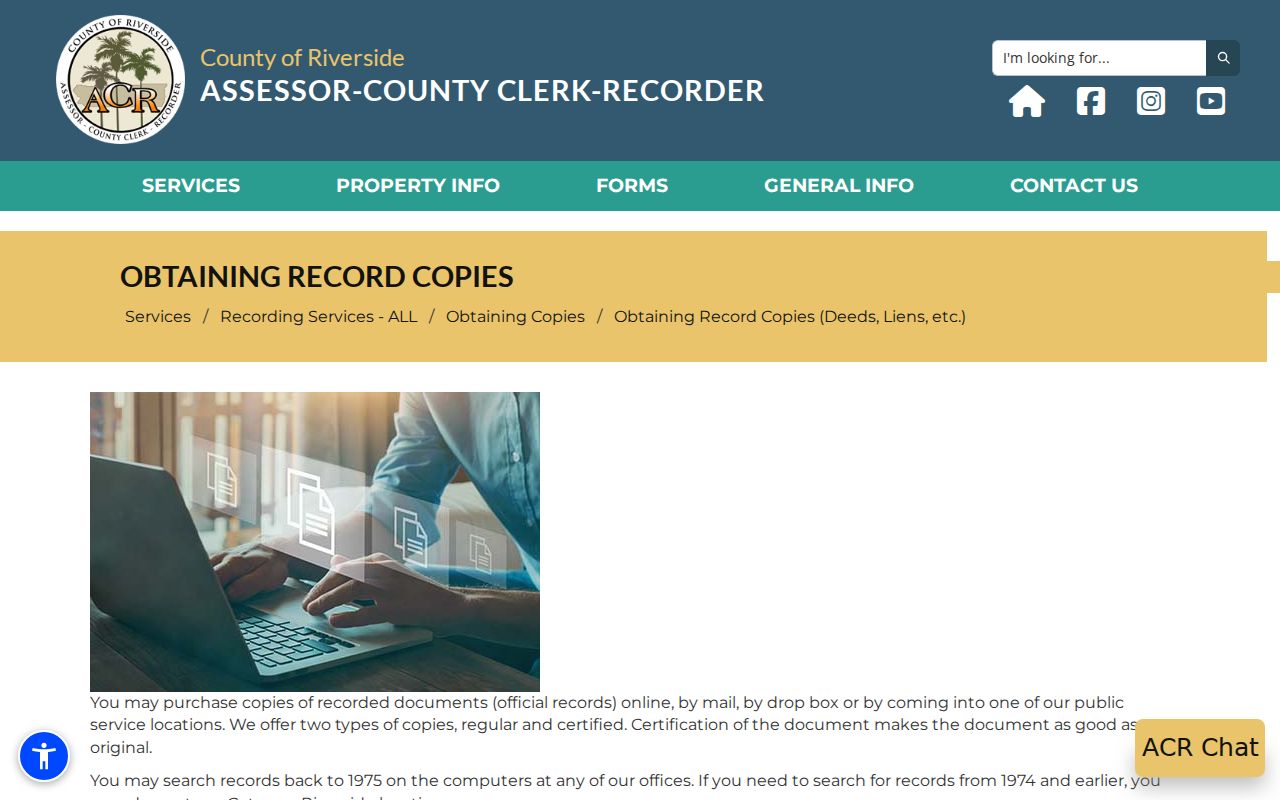
Regular copies cost $8 for the first page and $1 for each additional page. Certification adds $2 per document. Online card service discloses a 2.15 percent fee and average 48-hour processing before mailing. For a pre-1976 mail search without a document number, staff limits the search to two years after the estimated year.
Note: A recorder index result is a finding aid; inspect the instrument before calling it proof of ownership, residence, or an unbroken title chain.
Cathedral City Previous Residents and APN Chain
The Riverside County Property Search accepts an exact street number and street name or an APN. It can return parcel facts, situs, map or legal-description clues, assessment values, and tax geography. The public web result does not show owner names. Owner identity is available through the assessor office under Revenue and Taxation Code section 408, which makes remote address research and office roll inspection distinct steps.
Keep situs, mailing address, and legal description separate. Situs is the physical assessed location. Mailing can point to a post-office box, trust, agent, or another place. The APN identifies an assessment parcel, not a person or a full household. Riverside APNs commonly appear as nine digits with display separators, but a split, merge, condominium, or common parcel can change the identifier while the street label remains familiar. The Riverside County tax portal can add bill and parcel-status context, but a tax result still does not establish occupancy.
For older public-record finding aids, the California State Archives is a county and state research route to search by office, record series, and year.
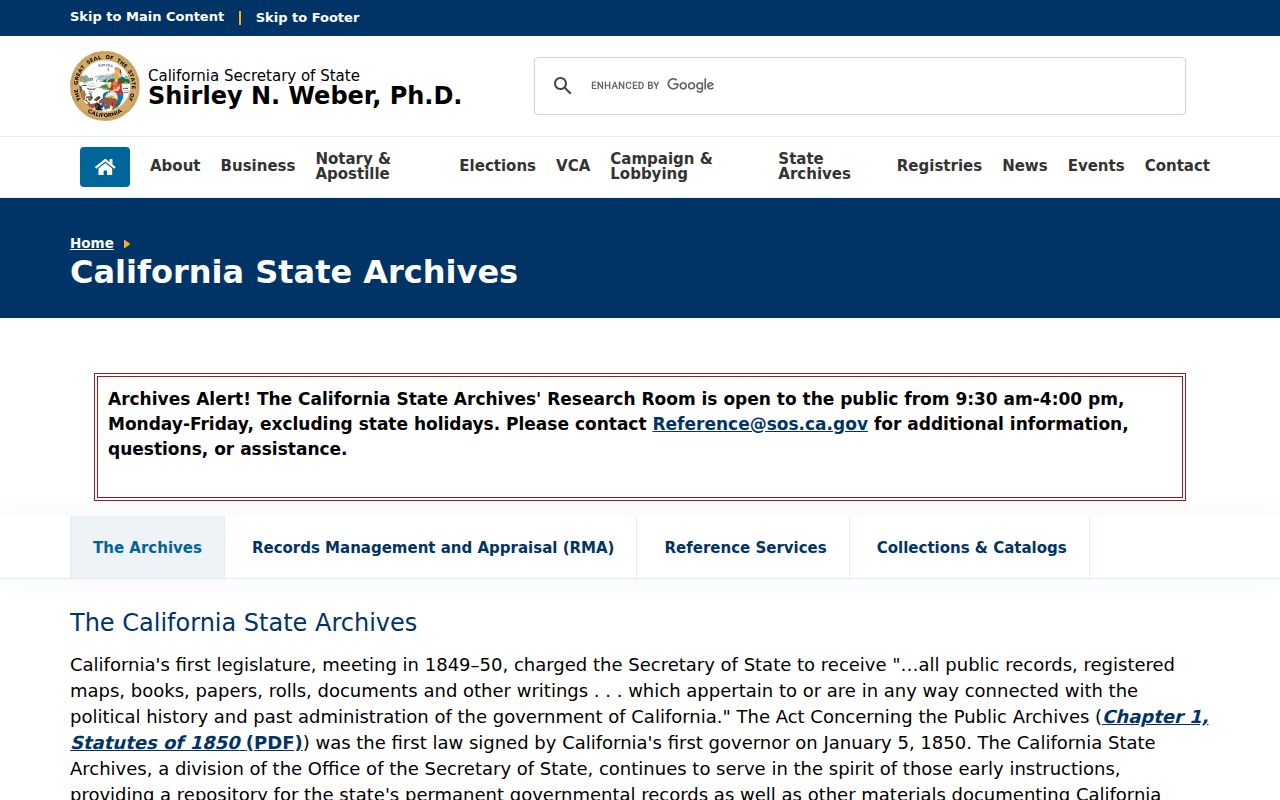
An archive catalog can reveal a series that predates the city label. It still requires a repository check and does not replace the current ACR owner roll or recorder index.
Map My County can help locate the parcel and neighboring geometry, but it does not turn a polygon into a household roster. Use the APN to connect GIS, assessor, recorder, permits, and tax material, then use household sources for the people question.
GTE Snapshots of Cathedral City Previous Residents
The strongest verified regional directory lead is the Los Angeles County Library Californiana catalog listing GTE “Palm Springs and nearby areas” address directories for March 1988, March 1989, March 1990, and September 1990. Cathedral City is explicitly included. These are address-order snapshots and can help identify a listed subscriber or cross-reference, but they do not prove Riverside County owns the same volumes and do not promise complete household coverage.
Inspect the title, edition, coverage boundary, address section, printed name, telephone, cross-reference, and any residence or business marker. Compare March and September 1990 before treating a difference as a move, since publication or correction timing can change a listing. Pair the printed subscriber with the APN, deed, census, permit, or newspaper record rather than calling the subscriber the owner.
The Cathedral City Historical Society is a community-memory route with early-days and “50s and 60s” stories, photographs, scrapbooks, postcards, and articles.
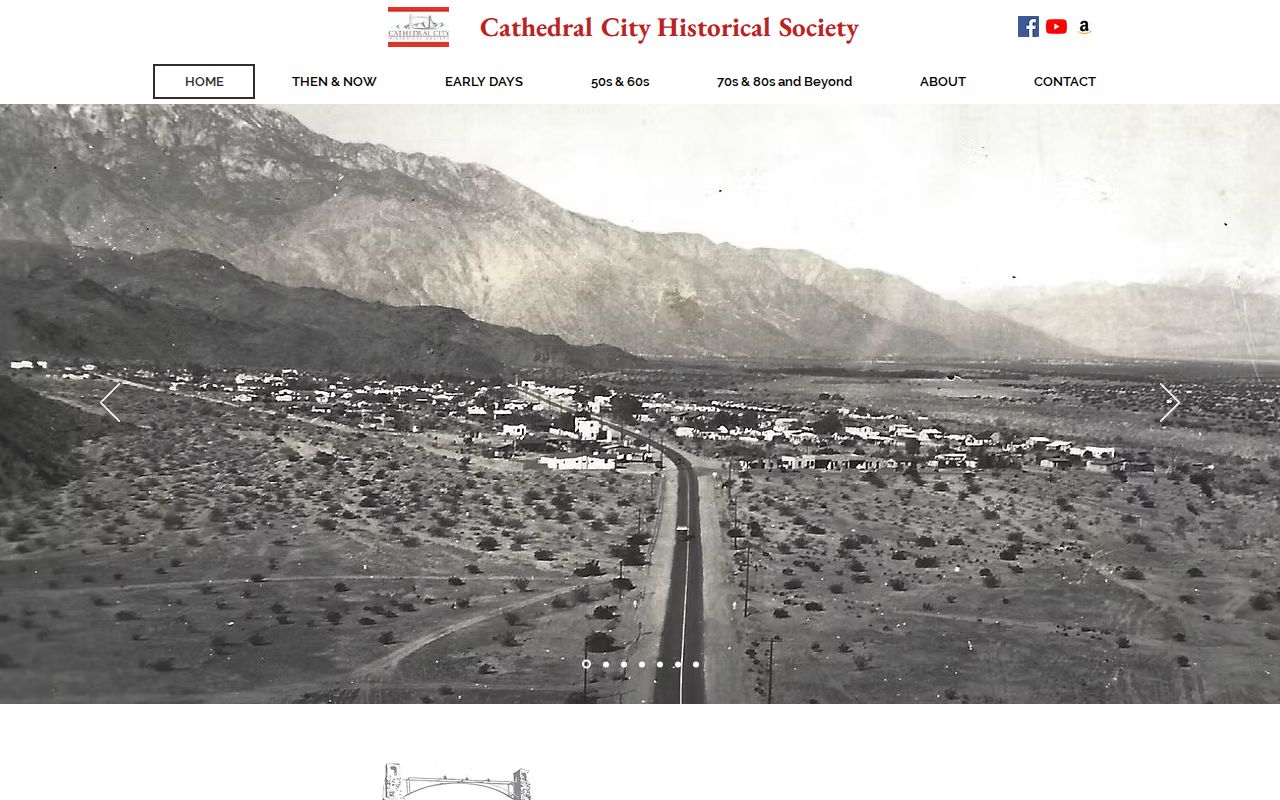
No published society catalog or paid research service was verified, so ask whether a particular address, surname, or year appears in an accessible file before relying on a story as documentary proof.
Cathedral City Previous Residents and Census
Owners are only one layer of previous residents. A directory can show the person listed at an address, while a census records a household on one enumeration day. Federal schedules are public through 1950 under the 72-year rule, and the 1960 census is scheduled for release in 2032. Local addresses must be matched to historic enumeration districts and boundary descriptions because Cathedral City incorporated in 1981.
- Choose a directory edition and write down the exact street form, listed name, telephone, spouse note, and boundary statement.
- Find the closest public census year and identify the historical enumeration district for that address or subdivision.
- Compare names, ages, relatives, birthplace, street wording, and nearby landmarks without forcing exact spelling.
- Check the next directory edition, then add deeds, permits, newspapers, obituaries, or probate for an event date.
- Label each conclusion as owner, listed subscriber, household member, or other record role.
A missing line can reflect death, a move, nonpublication, a missed canvass, an unlisted telephone, or directory exclusion. It is not proof that a household left on a particular date. The collection details and entry-reading method are kept on the Cathedral City city directory page.
The Palm Springs Historical Society offers a regional research starting point when a publisher grouped Cathedral City with nearby desert communities.
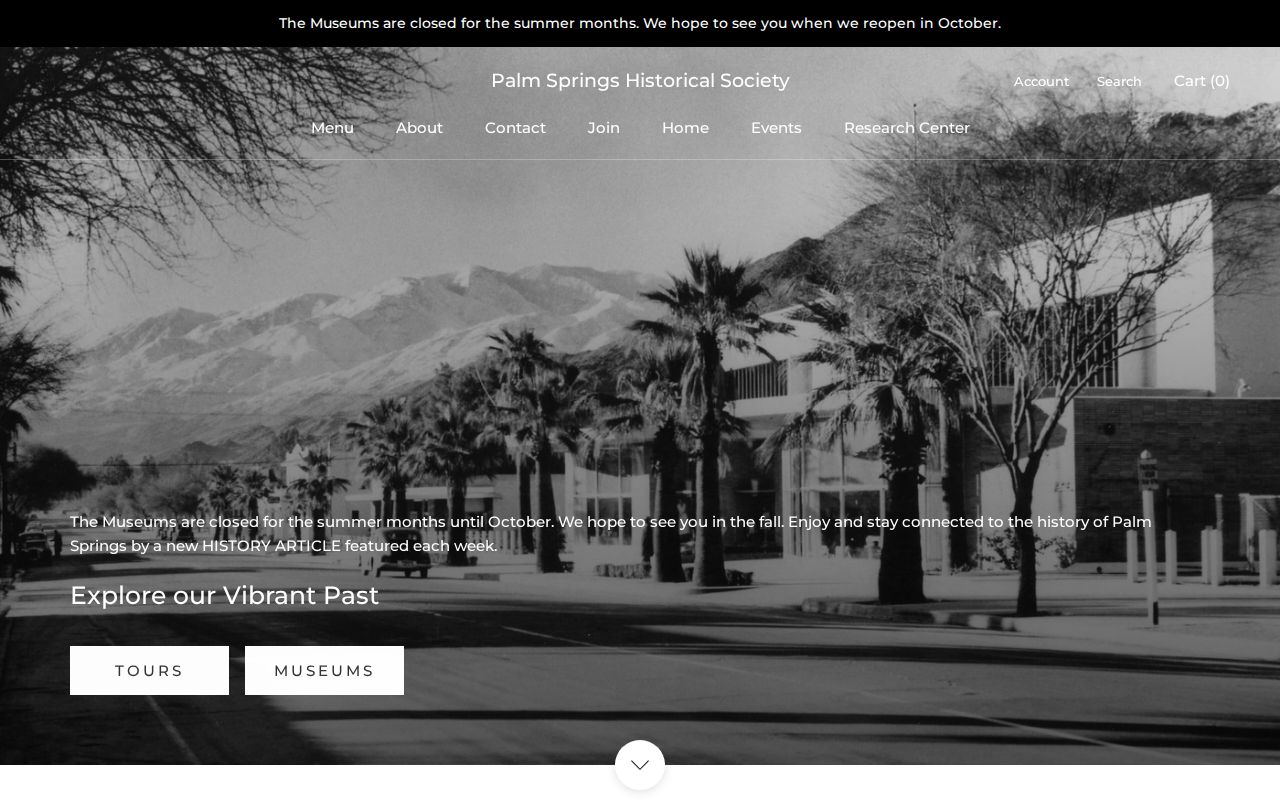
Regional context helps locate a source, but a historical society lead still needs an edition, address, year, and repository check.
Cathedral City Residents in Permit Clues
Building and Safety records can put dates around a property story. A permit may name an applicant, contractor, engineer, or owner shown on a form, and may show scope, declared value, issue or final date, inspection activity, and status. An applicant is not necessarily an owner or resident. The exact start date of Cathedral City's digital permit series was not located, so do not assign a false beginning to the municipal trail.
| Permit or plan | Work scope, application parties, declared valuation, issue or final date, and status when public |
|---|---|
| Inspection record | Inspection milestones and status; requests moved online-only March 1, 2025 |
| Code case | Address, notice, and case chronology, with protected complaint details possibly withheld |
| Jurisdiction check | North City annexation in December 2007 can change the permit keeper |
Use the city permit service or a narrow NextRequest request for an existing address and date range. Engineering plans may contain owner, developer, and design-professional names, but privacy, security, and copyright limits can affect copies. Compare the municipal date with the county deed chain instead of treating a permit name as a resident.
Note: Permits date activity at a parcel; directories, census schedules, and obituaries are needed to test a household history.
Past Residents of Cathedral City Baby Homesteads
Northern Cathedral City contains a distinctive land-history clue: five-acre Baby Homestead patents can create a federal-land-to-county-deed trail. A patent may precede the county instrument that later appears in the recorder chain, and one original five-acre tract may later split into several modern APNs. Start with the historical land description, then connect the patent, county deed, parcel map, and current assessor identifier.
Reservation and allotment geography adds another layer. About 28 percent of Cathedral City lies within the Agua Caliente reservation, and fee, trust, leasehold, or checkerboard interests may involve different custodians. A pre-incorporation county parcel and a post-1981 city permit should not be treated as one seamless city record series. Record the event date and the jurisdiction date separately.
Local street names can also preserve the older trail. Search Grove, Allen, Plumley, and Van Fleet in plats, deeds, and newspapers, and test Broadway as well as Highway 111. These are research aids, not proof that a person with one of those surnames owned or lived at a specific address.
Obituaries Close a Cathedral City Resident Trail
Obituaries and probate often explain what a deed alone cannot. A newspaper notice can name relatives, a former address, a move, or a service. A probate file can identify a decedent, petitioner, personal representative, heirs, and property references. The FamilySearch Riverside County catalog includes death records from 1893-1919 on six microfilm reels filmed from recorder originals. Image access may depend on an account or affiliate location, so treat the catalog as a route rather than a guaranteed online image.
Search the Desert Sun and other regional newspaper archives with address variants, two-surname order, accented and unaccented spellings, and the old Broadway name. Calisphere, the Online Archive of California, State Archives, Riverside County Library, and nearby Palm Springs collections can add photographs, clippings, and finding aids. No official Cathedral City Sanborn run was verified. Nearby Palm Springs or Riverside maps must be checked for exact place and year before use.
Note: Probate identifies an estate trail, while an obituary supplies community context; neither one alone proves that every named person lived at the searched address.
Lawful house history. Deed, directory, census, permit, obituary, and probate research is for family history, property history, and personal curiosity. Do not use a living person's address or record trail to stalk, harass, intimidate, or harm anyone.